
How to Rank a Website on Google: A Beginner's Guide to SEO Success
- 6 July 2026
- Uncategorized
Every business owner dreams of seeing their website on the first page of Google. And while it may seem like a mystery reserved for tech experts, ranking on Google is a learnable, achievable process. With the right strategy and consistent effort, your website can climb the search results and attract the customers you've been looking for.
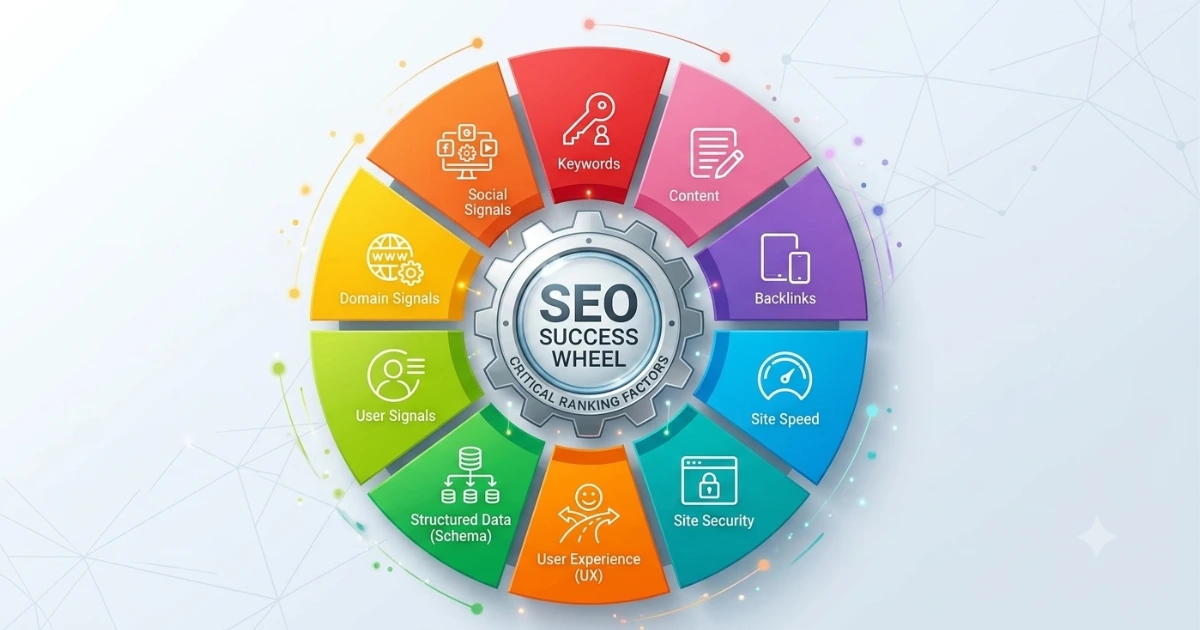
1. Start With Keyword Research
Before writing a single word of content, you need to know what your audience is searching for. Keyword research is the foundation of any successful SEO strategy.
Use free tools like Google Keyword Planner, Ubersuggest, or Google Search Console to find keywords relevant to your business. Focus on:
- Search volume – How many people search for this term monthly
- Keyword difficulty – How competitive the keyword is
- Search intent – Are users looking to buy, learn, or compare?
Target a mix of high-volume keywords and long-tail keywords (longer, more specific phrases) that are easier to rank for when you're just starting out.
2. Create High-Quality, Helpful Content
Google's core mission is to deliver the most helpful, relevant content to its users. So if you want to rank, your content must genuinely answer your audience's questions.
Follow these content best practices:
- Write in-depth, well-structured articles of at least 800–1,200 words
- Use your target keyword naturally in the title, headings, and throughout the body
- Include images, examples, and actionable takeaways
- Update older content regularly to keep it fresh and relevant
Remember: content that helps people ranks. Content that just sells, doesn't.
3. Optimize Your On-Page SEO
On-page SEO refers to the elements on each page of your website that you can directly control. Key areas to optimize include:
- Title Tag – Include your primary keyword and keep it under 60 characters
- Meta Description – Write a compelling 150-160 character summary with your keyword
- URL Structure – Keep URLs short, clean, and keyword-rich (e.g., /how-to-rank-on-google)
- Header Tags (H1, H2, H3) – Use them to organize content and include keywords naturally
- Image Alt Text – Describe images using relevant keywords for accessibility and SEO
4. Improve Your Website's Technical SEO
Even the best content won't rank if your website has technical problems. Google needs to be able to crawl and index your site efficiently.
Key technical SEO factors include:
- Page Speed – Use Google PageSpeed Insights to identify and fix slow load times
- Mobile Friendliness – Over 60% of searches happen on mobile; your site must look great on all devices
- SSL Certificate – Ensure your site uses HTTPS for security and trust
- Sitemap & Robots.txt – Help Google discover and index your pages correctly
5. Build Quality Backlinks
Backlinks — links from other websites pointing to yours — are one of Google's strongest ranking signals. Think of each backlink as a vote of confidence in your content.
Effective ways to earn backlinks:
- Write guest posts for reputable websites in your industry
- Create shareable content like infographics, research, or in-depth guides
- List your business in trusted local and industry directories
- Reach out to bloggers and journalists who cover your niche
Avoid buying links or using shady link schemes — Google's algorithms are smart enough to detect and penalize these tactics.
6. Focus on Local SEO (If You're a Local Business)
If your business serves a specific area, local SEO is non-negotiable. Optimize your Google Business Profile with accurate contact details, business hours, photos, and regular posts. Encourage satisfied customers to leave Google reviews — they significantly boost local rankings.
7. Be Patient and Consistent
SEO is not a sprint — it's a marathon. Most websites take 3 to 6 months to see meaningful ranking improvements. The key is to stay consistent: keep publishing quality content, building links, and refining your strategy based on data from Google Search Console and Google Analytics.
Final Thoughts
Ranking on Google doesn't require a massive budget or a computer science degree. It requires strategy, quality content, technical care, and patience. Follow the steps above consistently, and your website will steadily climb the search results — bringing you more visibility, more traffic, and more customers.
Start today. Every optimized page is one step closer to page one.
About us and this blog
We are a digital marketing company with a focus on helping our customers achieve great results across several key areas.
Request a free quote
We offer professional SEO services that help websites increase their organic search score drastically in order to compete for the highest rankings even when it comes to highly competitive keywords.
Subscribe to our newsletter!
More from our blog
See all posts